
Warm and Dry over the Winter
It’s Winter, and it’s been raining… a lot, so what happens to the cows in Winter? Well we’re going to address this topic, covering everything from where the herd go, what they eat and even what happens to their 💩!!
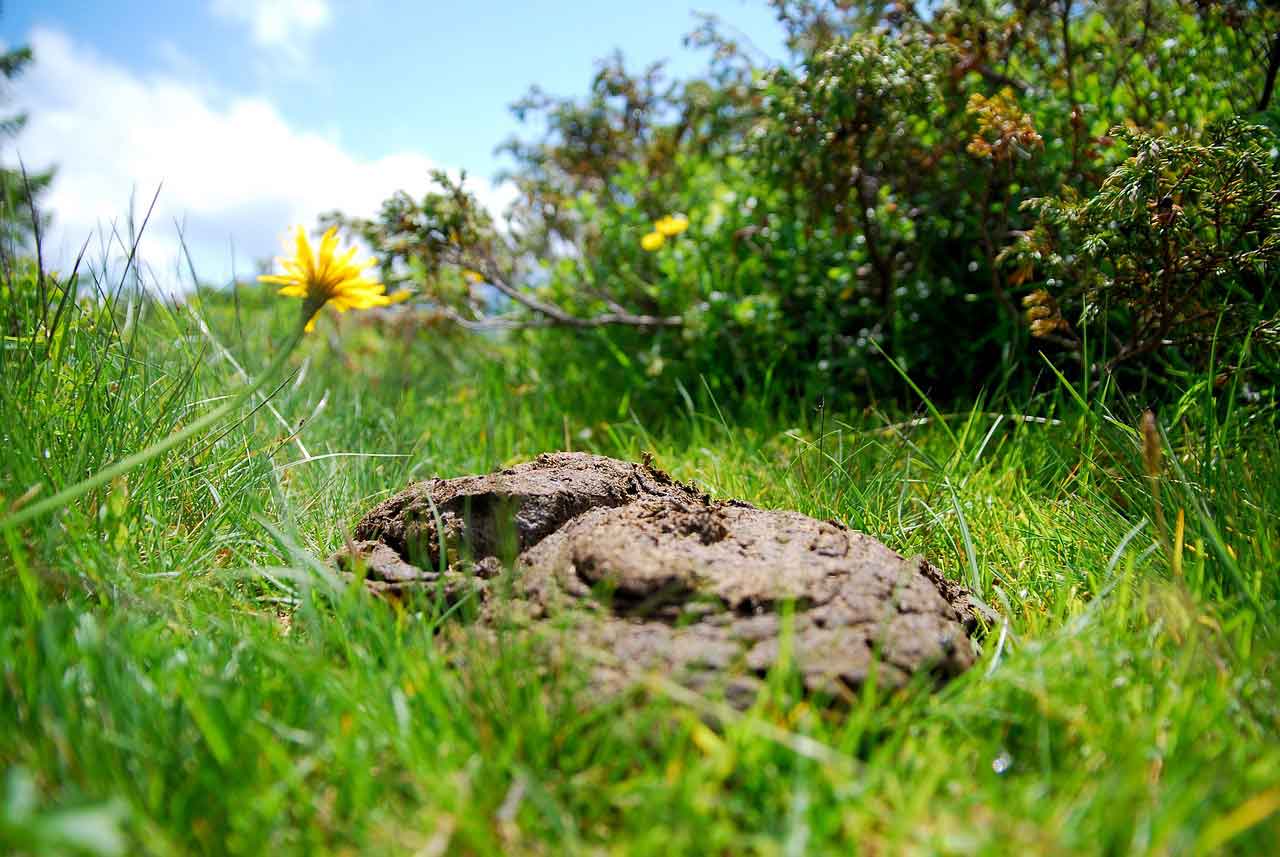
At Riverford Organic Dairy we want to bring you good quality milk for 12 months of the year, but if cows are cold and hungry that isn’t going to happen. Animals kept outside don’t graze when its windy and pouring with rain, they turn their backs on the elements and keep their heads down until it’s blown over. Grass grows very slowly in Winter with poor sunlight, short days and wet ground. It is low in sugars, wet and not good enough for maintaining good milk yields with the fat content that we need to make your cream at Christmas!

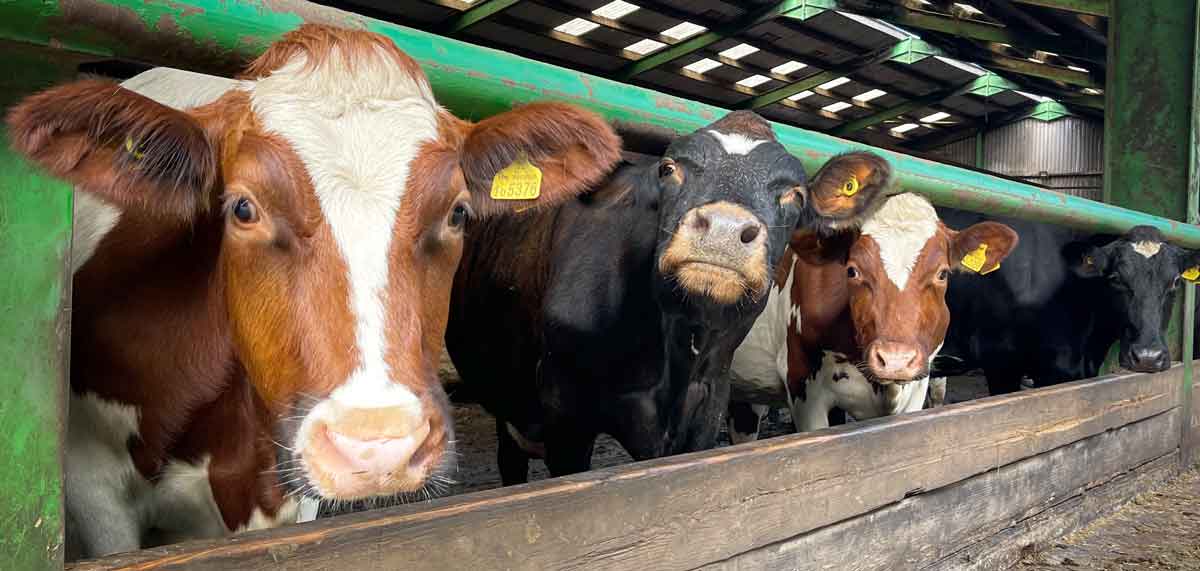
From October and throughout November we try to keep them out during the day and bring them into our airy cow barn at night so that we can supplement their feeding. During the worst weather in the year they are inside 24/7 sheltering in our modern, open sided and purpose built barn. Then as Spring arrives and when the weather permits, usually around the end of March, the herd come skipping back out into the fields!

It’s not just the cows that we are thinking about, but the pasture too. Wet ground and cow hooves are a poor combination and can cause considerable damage to the soil in areas where they gather and hungry cows eat hedges!
As we mentioned, grass grows poorly in the winter and is low in sugars. So when we bring the herd into our barn to keep them warm and dry, and to rest the pasture, we also supplement their feeding.

We feed the cows our own organic silage, that wonderful green spring grass that has been pickling for months provides a good amount of nutrients and fibre. However despite the natural process of fermentation locking in nutrients and proteins, it still loses around 15% of it’s goodness. In order to boost their diet we feed them organic mixed cereals such as oats, barley and wheat to enhance their carbs, and beans to supplement their protein. Most non-organic cows are fed imported, genetically modified animal feed to increase milk production. Our Soil Association accreditation prohibits this and in organic systems like ours, cows must be fed a minimum of 60% forage (grass-based diet). This means that organic dairy has lower yield on average, but it is more sustainable and helps to protect the animals’ health and welfare. Our smaller breed cows at Riverford also don’t need the volume of feed that other larger high yielding breeds need.
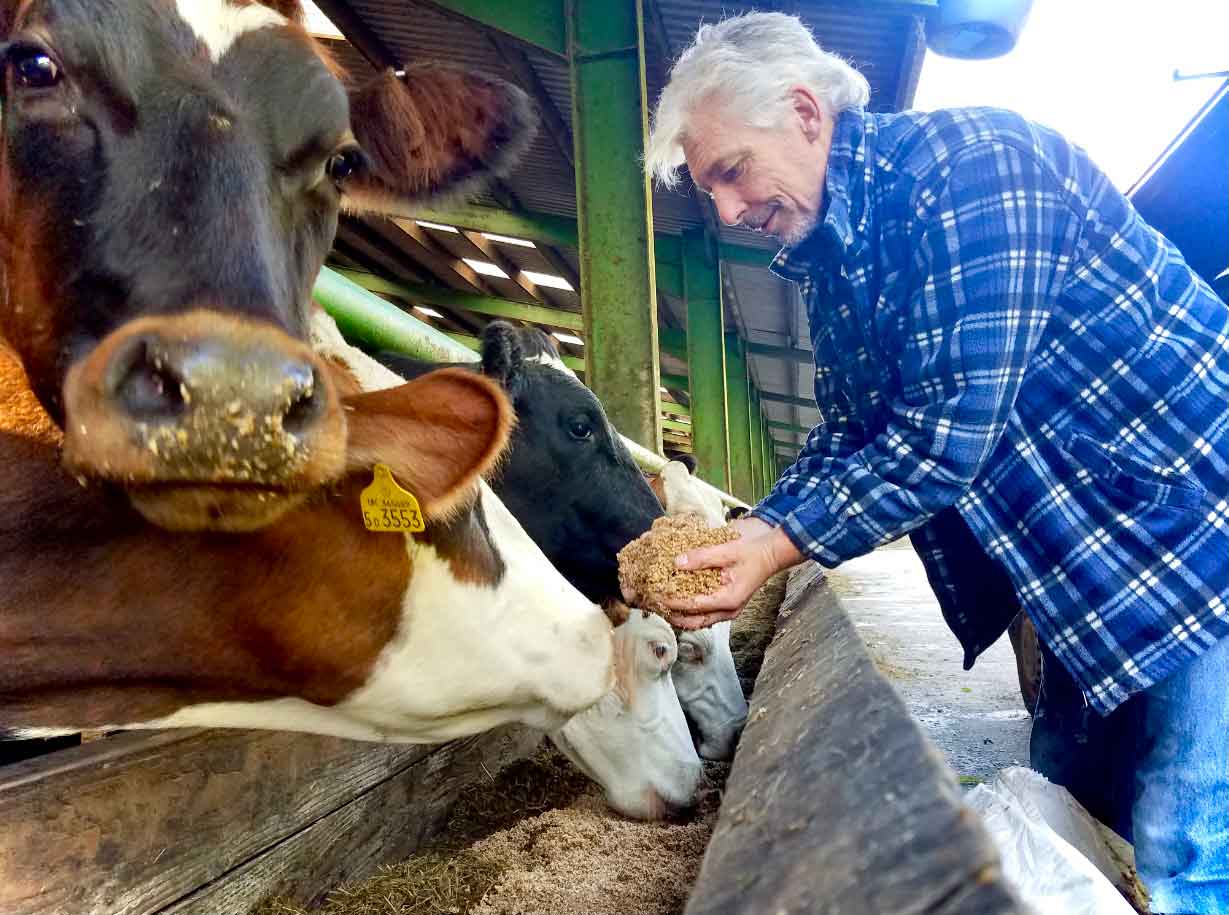
Finally, Riverford Organic Veg generously donate us any out-of-date veg to give the cows the variety of diet that they would naturally forage for in the hedges, plus who doesn’t love munching on a good organic carrot! 🥕
Now we want to talk about… what happens to their poo!!💩 It’s a subject not often covered for obvious reasons, but dealing with it poses significant challenges, particularly in the winter, as you will see.
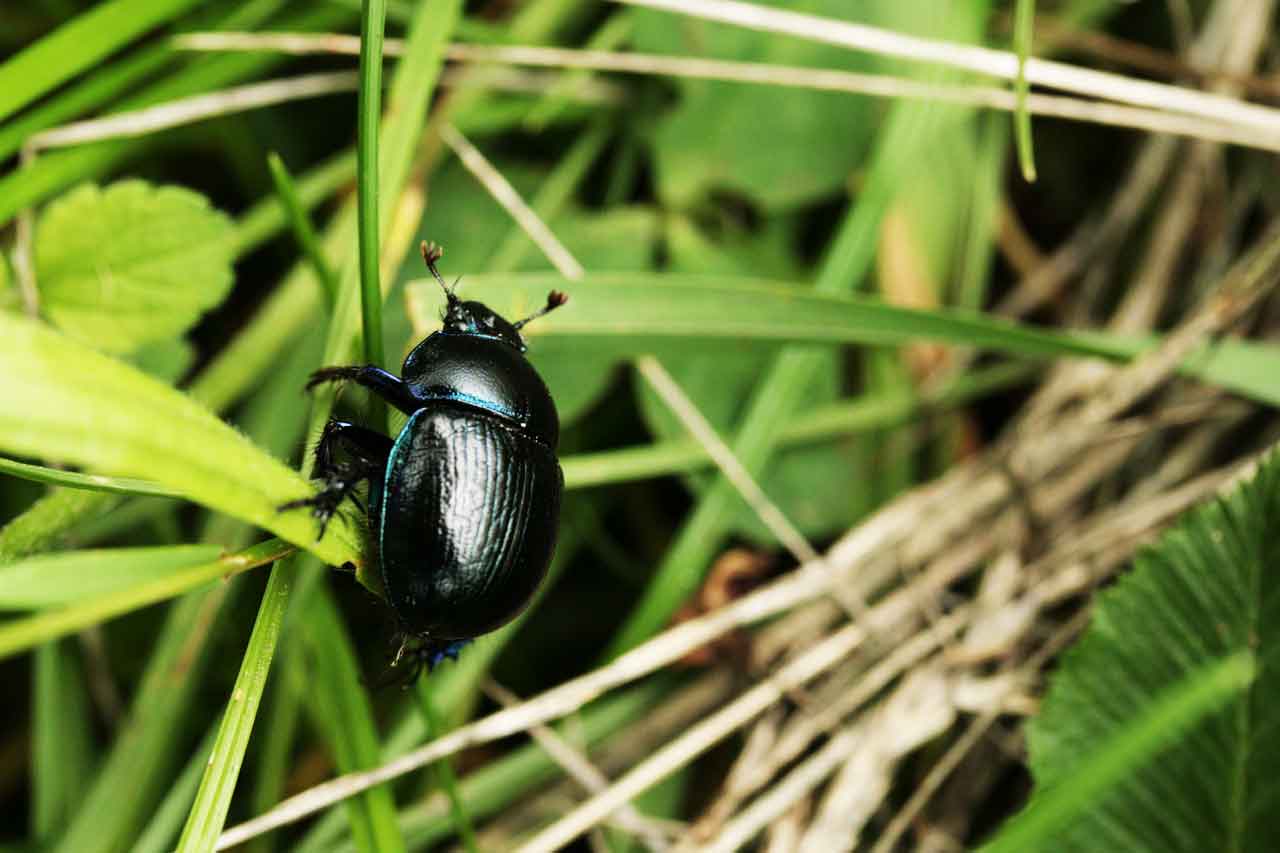
So what about poo? There is a lot of it when the herd are inside the barn and not just poo but urine as well. While the cows are outside the amazing dung-beetle is hard at work. Dung beetles are a major contributor to soil health, this incredible insect will take every bit of cow-pat under the ground, naturally fertilising and aerating the soil. Some species tunnel down 1m below the surface which helps with drainage and soil compaction. There is increased earthworm activity around cow-pats with dung beetles and more fungi around all adding to soil health. The urine is naturally filtered through the soil layers but in the winter when they are inside… it’s a little different.
The combination of urine and cow dung is called slurry and this is usually stored in large slurry tanks. We are looking to put in a more sustainable slurry pit next year, one that isn’t made of concrete but that is dug into the ground and uses the natural soil layers compacted to form an impermeable pit.
It is a difficult balance to produce milk in the Winter and stick to our values of sustainable farming that supports the environment but we are always thinking of ways to do it better, we are never complacent or self-satisfied, we are farming for future generations not just this one.