

OUR COWS
ANIMAL WELFARE AT THE HEART OF THE SYSTEM
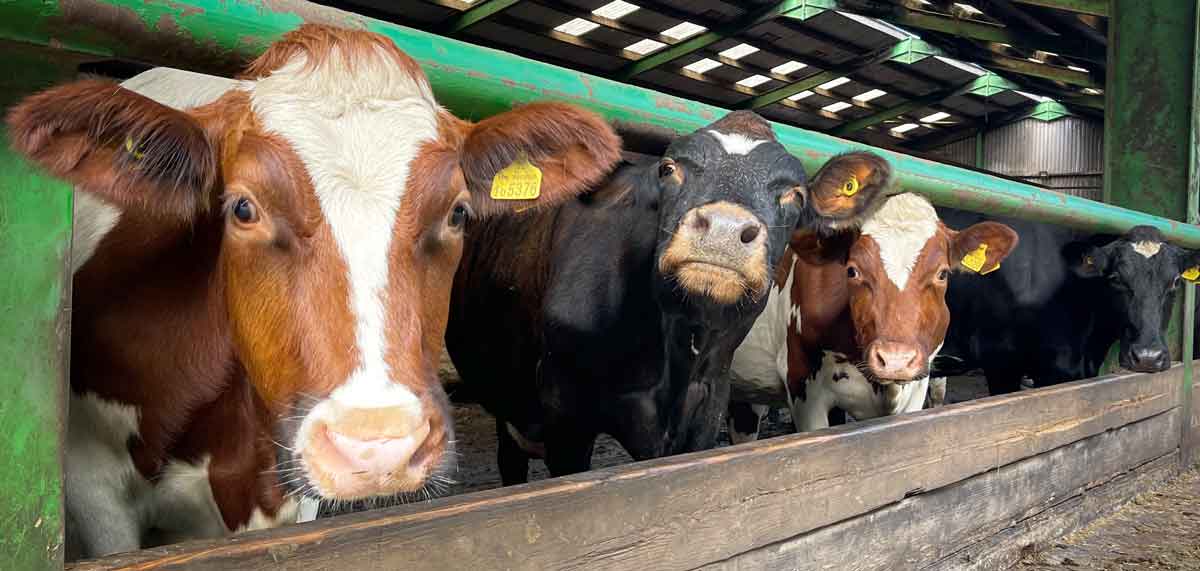
Our cows are all sorts of shades of red, brown, fawn and black and some even look spotty or splodgy. That’s because we farm with what’s called a Mixed Breed Herd made up of British Friesians, Shorthorn Ayrshires, Normande, Montbeliarde, Swiss Brown and Swedish Reds. It’s a gentle, ethical and traditional approach to dairying and it suits organic farming well. Our mix of cows results in a herd with a mellow nature. Our cows calve easily and enjoy a long life span. And most importantly to us the female and male calves are both of value on the farm. Many dairies achieve a high milk yield by using a Holstein herd but we know our way has the animal’s welfare as top priority so we’re quite happy to swap lower milk yields for the well-being of our cows.
IT’S A COW’S LIFE!
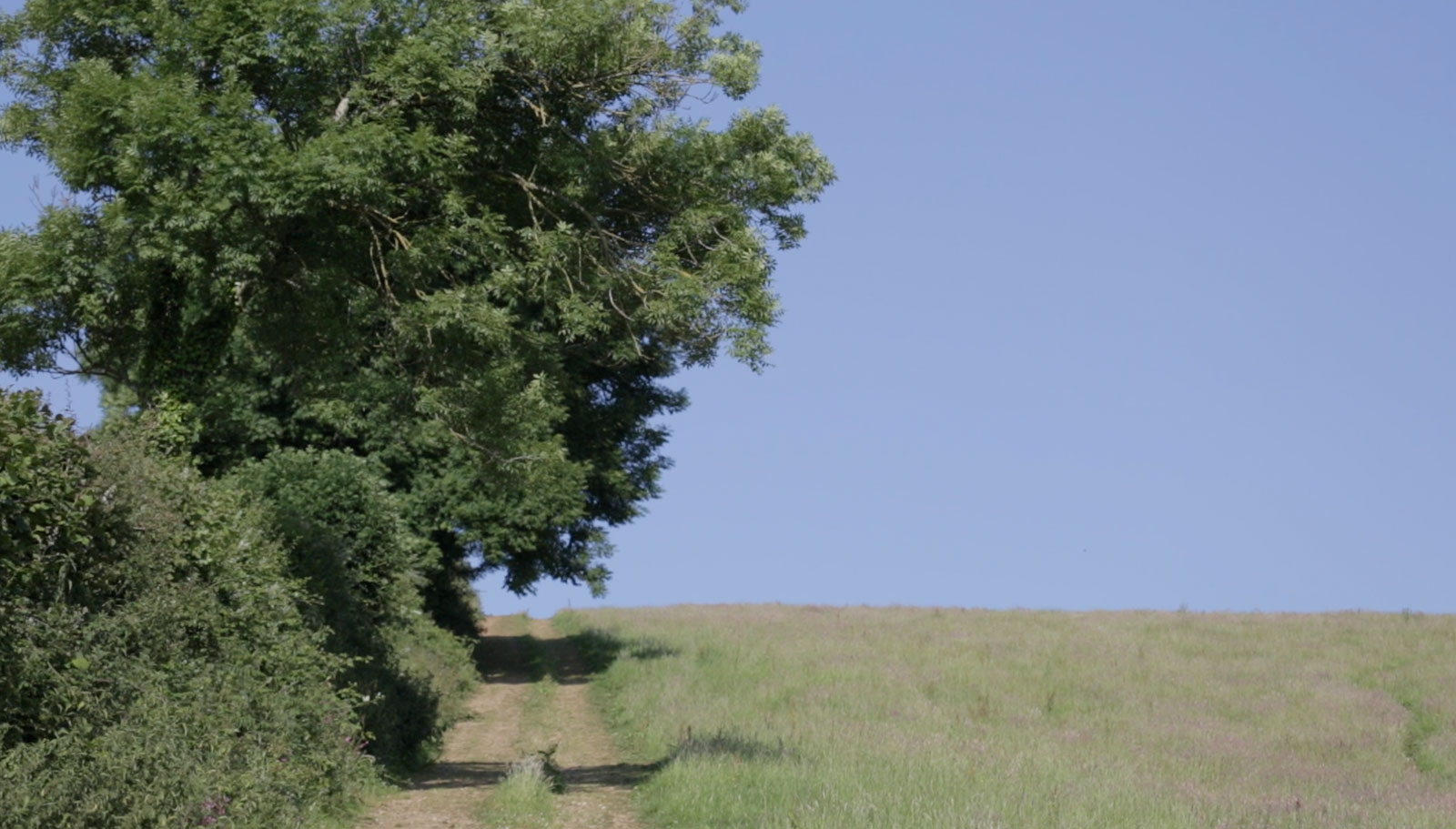
Life is pretty simple and has a steady routine. For most of the year our cows are outside day and night. First milking takes place early morning and then it’s out to graze again. Given that many of our meadows are on steep hills, there’s usually a picturesque view of the countryside to be enjoyed between mouthfuls. Second milking is early afternoon before a relaxing evening out on the land. In wintertime, when it’s cold and wet our cows hang out in a purpose-built, open side barn with plenty of fresh air and comfy stalls for eating or resting. On winter nights they are always kept inside for warmth and comfort.
GRAZING FREE-RANGE FOR MUCH OF THE YEAR
A typical day in Devon starts with heavy dew on the grass and a light early morning mist. This level of moisture in the air, combined with a generally mild climate means that our lush pastures grow abundantly for most of the year. During the winter months, rainfall can be high and the days chilly, so on the worst day between November and March our cows stay in a modern, open-sided barn eating organic silage made from our grass and munching on organic veg. It’s a cow's life!

WHAT IS SILAGE?
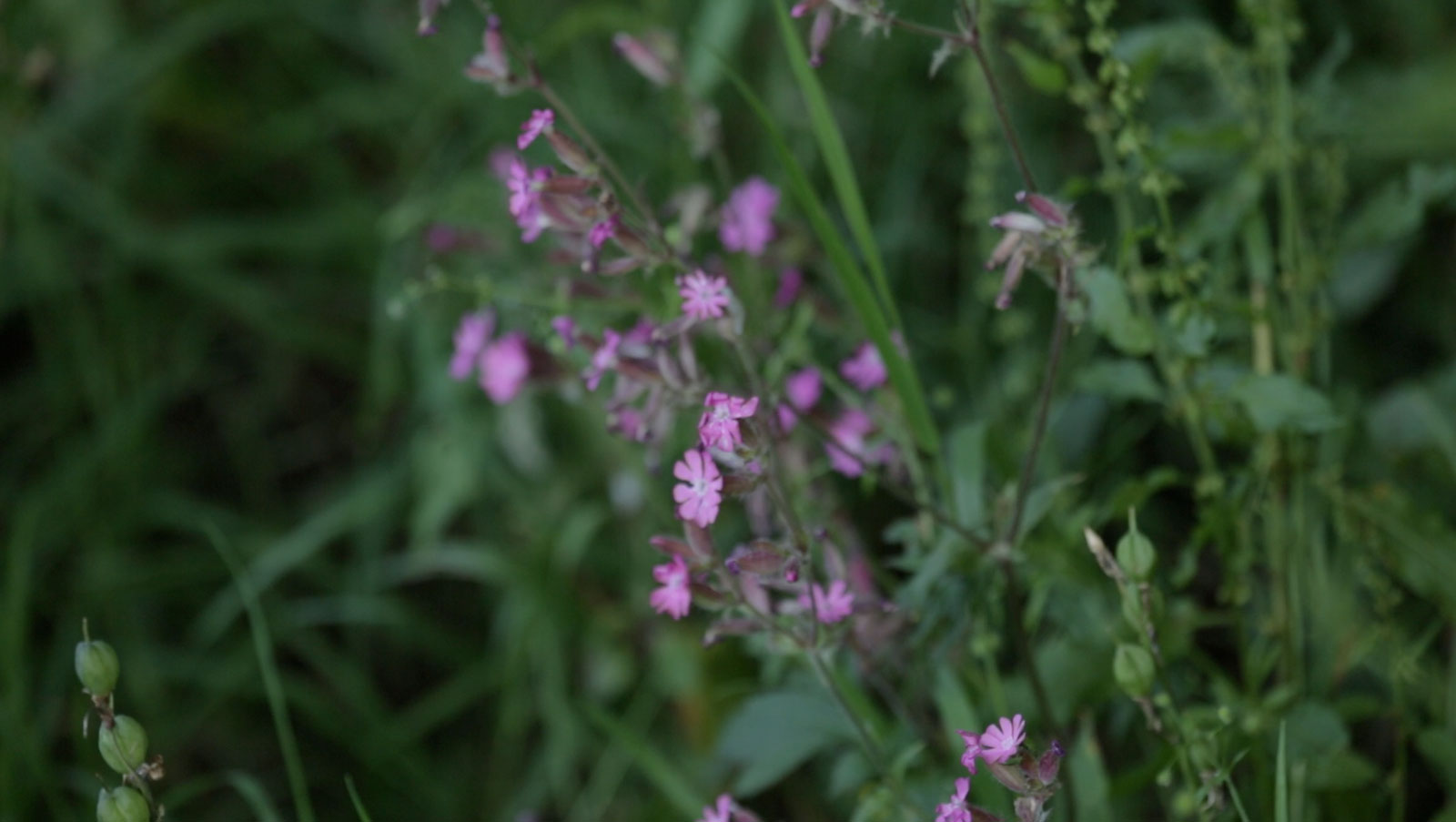
Grass and other crops don't grow all the year around, they need warmth, sunlight, and water. The best growing seasons for grasses are usually Spring and Autumn when there is a 'flush' of growth with high sugars and proteins. We support the grass to grow in some of our fields and cut it when it is long and lush (but not wet) to make 'silage.' The grass is put into a ‘clamp' (sealed concrete bay) or large round bales and is wrapped and pressed to exclude any oxygen... then the magic happens… The naturally occurring (anaerobic) bacteria in the grass 'metabolise' (eat) the sugar in the grass and turn it into acid, in effect this 'pickles' or ferments the grass so that it lasts until the Winter and maintains it's goodness. Grass that is left in a heap without excluding oxygen makes compost!
In the Winter months when the days are short, we bring our cows into the barn and feed them our best quality silage ensuring that they get all the food and nutrients that they need to keep producing high quality milk all the year around.
